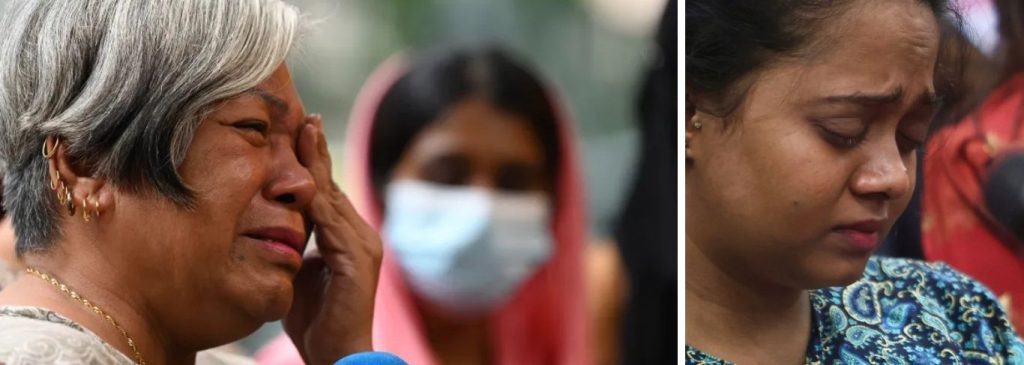
Left: AlJazeera, “Families of the executed appeal to ‘heartless’ Singapore for change”, 10 Oct 2023. Showing Halinda Binte Ismail, whose son is on death row, was among those petitioning the government. Roslan Rahman
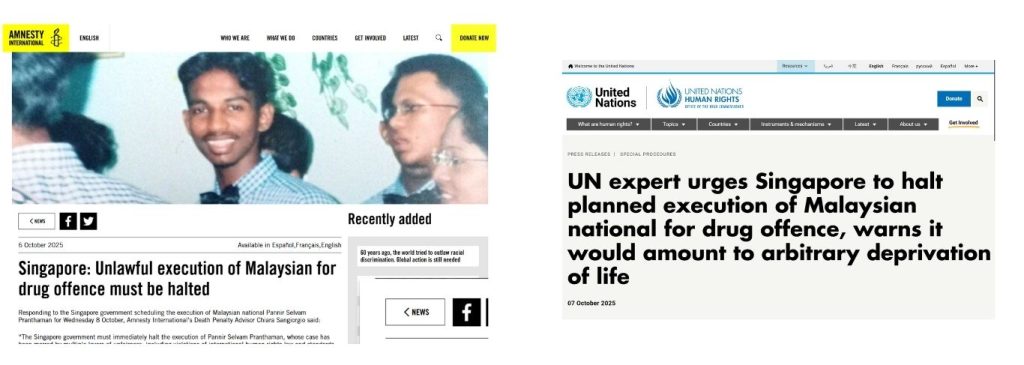
Right: Berita Harian, “Waris dakwa dalang kes dadah Pannir Selvam sudah ditahan polis” by Suraya Ali – Oktober 6, 2025. Showing Pranthaman, sister of Pannir Selvam, a Malaysia born death row inmate in Singapore. Mohamd Shahril Badri Saali.
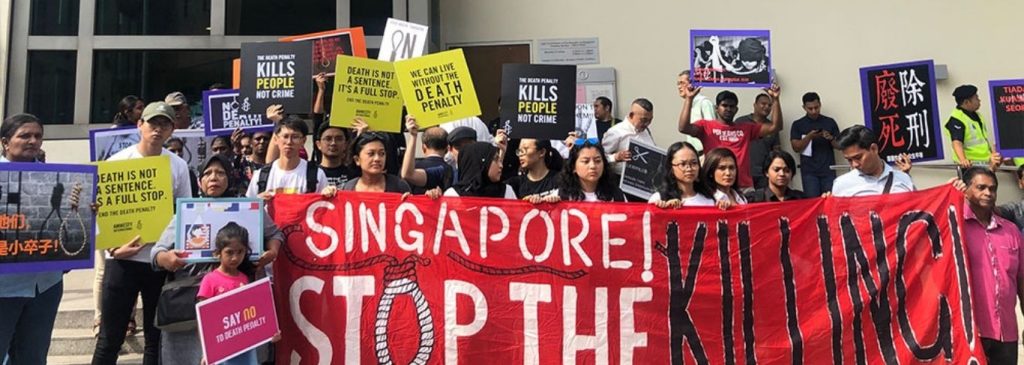
Left: AlJazeera, “Singapore steps up executions and pressure on anti-death penalty groups”, 3 April 2022. Showing attendees at a public rally hold signs during a protest against the death penalty at Speakers’ Corner in Singapore. Roslan Rahman.
Right: The Star, “Singapore prison halts Datchinamurthy execution, lawyer says”, Sep 25, 2025.
Rather than placing the movement on the defensive, this moment creates space for a more calibrated and sustained engagement with the issue of capital punishment. Others will step forward to continue challenging executions, mandatory sentencing, and the wider architecture of state power that enables them. The movement’s core conviction remains unchanged: the authority to administer death must always be subject to the highest level of scrutiny and public accountability.
In Singapore, opposition to the death penalty is therefore more likely to gain momentum than to recede. The cause has never belonged to any single advocate, nor can it be undone by negative publicity surrounding one individual. It endures because it speaks to deeper questions about justice, human dignity, and the limits of state power.
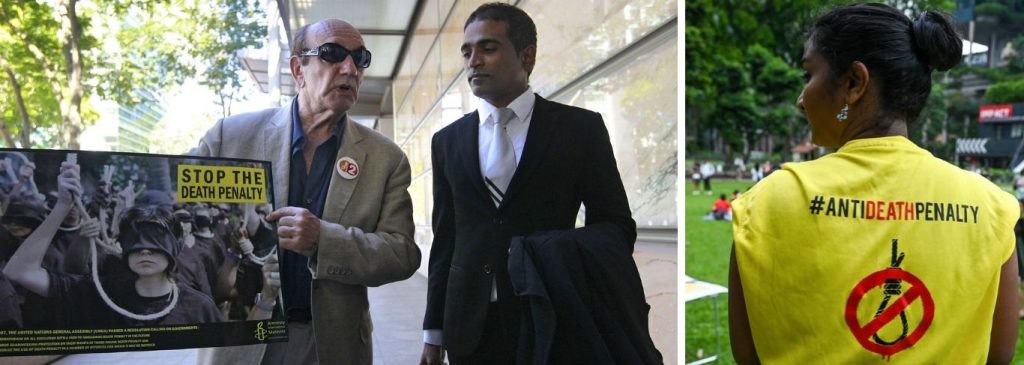
Left: South China Morning Post, “Singapore lawyer M. Ravi slapped with 5-year suspension for ‘baseless’ attacks against judiciary ”, 22 Mar 2023.
Right: AlJazeera, “Singapore carries out fifth execution since March”, Singapore’s resumption of executions has fuelled rare debate within the closely-controlled city state over capital punishment, July 22, 2022.
Despite M. Ravi’s complicated legacy, the anti–death penalty movement will continue beyond its past constraints, demonstrating that the struggle against capital punishment is ultimately larger than personalities—and far more enduring than attempts to silence it.